Force Trax Lookalike? Meet Nepal’s Mustang Max SUV

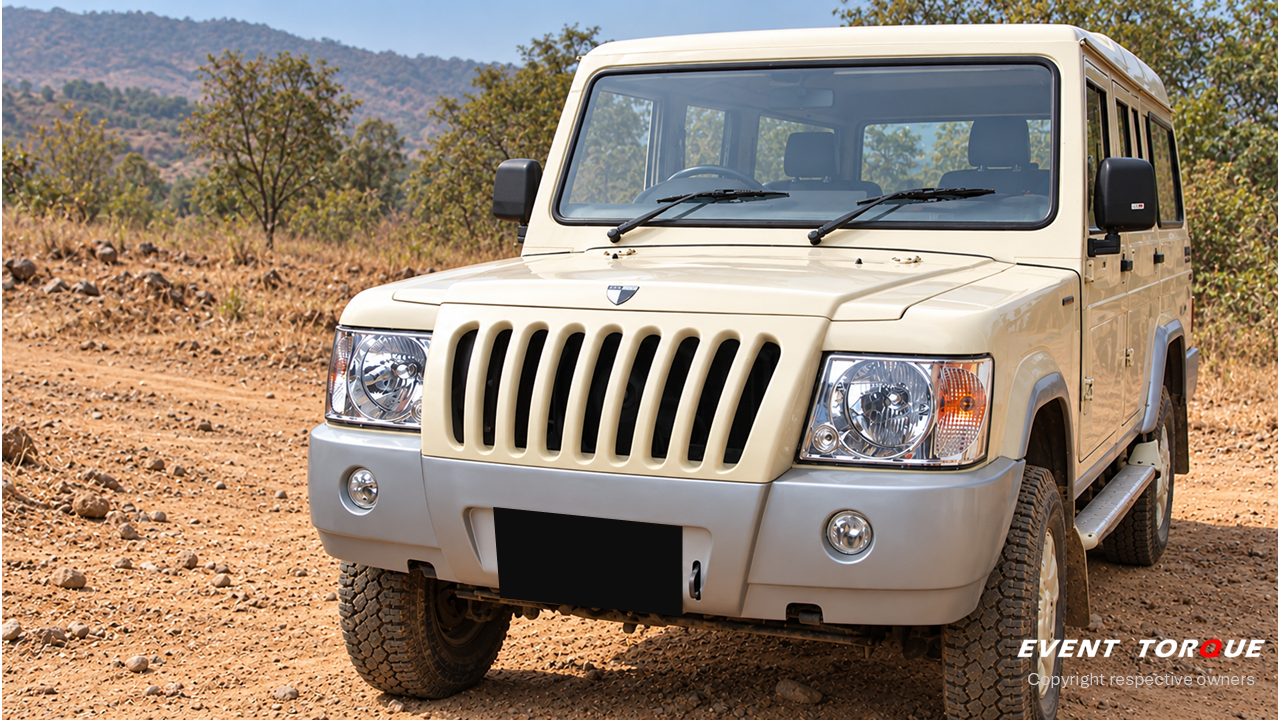
At first glance, you might think someone has heavily modified a Force Trax, added headlamps from a Tata Sumo Victa and borrowed the doors from a Mahindra Bolero. But there’s a twist. This isn’t an Indian SUV at all. It’s from Nepal! Meet the Hulas Mustang Max.
Nepal’s Own Jeep
The story began in 1998, when Nepal’s Golchha Group set out to develop a locally manufactured jeep under the Hulas Motors brand. Engineers, led by Prafulla Chandra Das, worked with components sourced from India and China to build a vehicle suited to Nepal’s challenging roads.
The result was the Mustang V2, a practical diesel-powered jeep designed for the hills and plains. Priced at just over NPR 1.3 million, it could accommodate up to 13 people, making it a useful option for passenger transport and commercial operations.
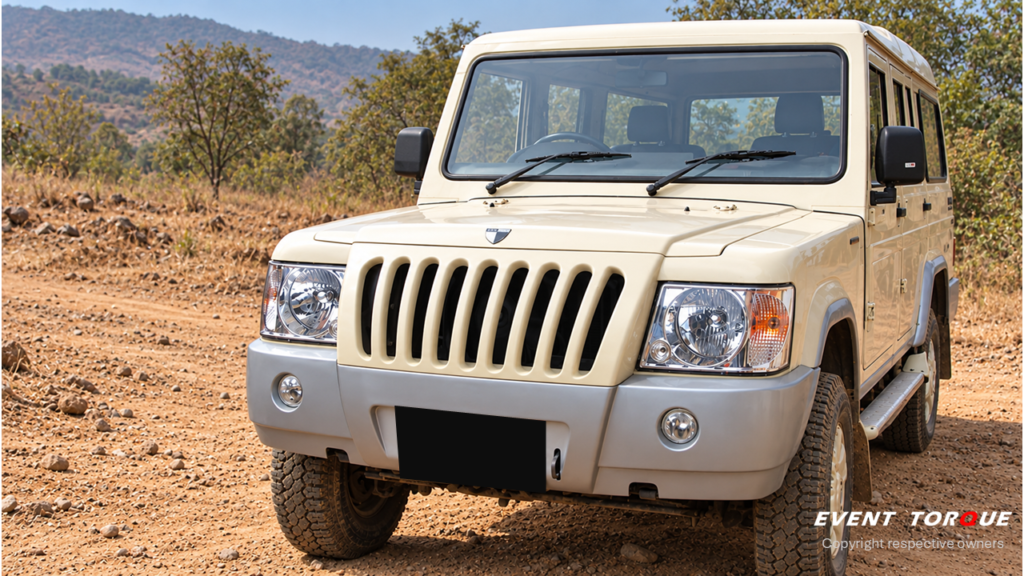
AI-generated image of Mustang Max for illustrative purposes only. Source: OnlineKhabar English.
From a Rugged Jeep to the Prime Minister’s Car
The Mustang received its biggest publicity boost in 2011, when Nepal’s then Prime Minister, Baburam Bhattarai, chose it as his official vehicle instead of an imported SUV.
The challenge was that the original Mustang had been built for everyday utility, not for a head of government. Das and his engineering team spent nearly two months developing a more comfortable version, equipped with air-conditioning and other features required for the Prime Minister’s use.
It became the Mustang Max, bringing a locally developed Nepalese vehicle into the national spotlight.
For Hulas Motors, the moment represented more than publicity. It demonstrated that a homegrown vehicle could earn recognition at the highest level of government.
The Next Big Plan: Hulas Bravo
With the Mustang gaining attention, Hulas Motors wanted to go a step further. Its proposed successor, the Hulas Bravo, was intended to be more luxurious while remaining suitable for Nepal’s roads and budget-conscious customers.
The vehicle was planned to accommodate up to 11 people, with an expected price of NPR 2–3 million. Hulas reportedly invested more than NPR 8 million in research and development for the project.
The ambition was to offer a domestic alternative to imported vehicles that cost considerably more. But before the Bravo could reach production, the company faced a major regulatory hurdle.
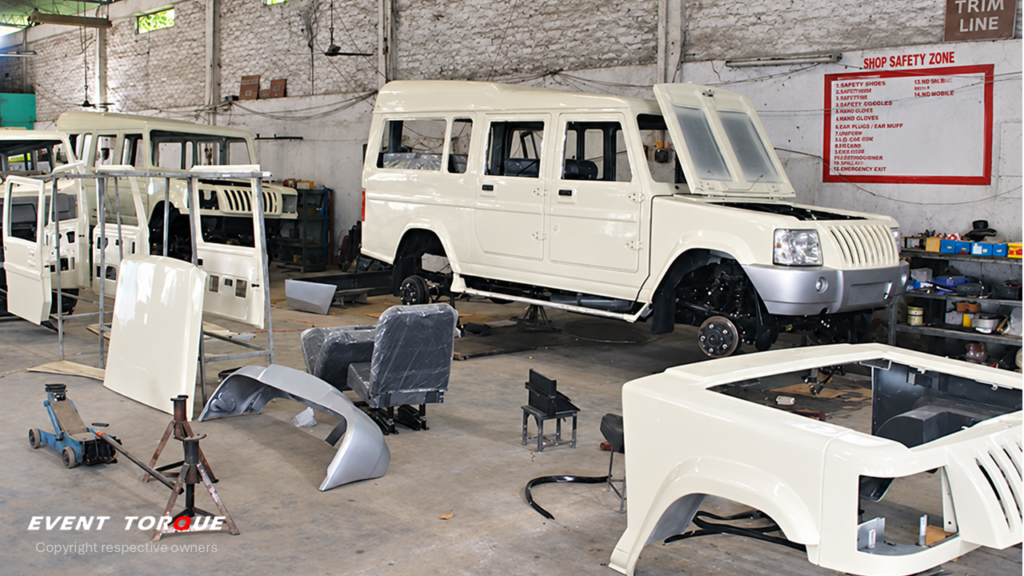
AI-generated image of Mustang Max for illustrative purposes only. Source: kathmandupost.com.
Why Did Hulas Motors Stop Making Cars?
In 2012, Nepal moved to tighten vehicle emission requirements, shifting from Euro I to Euro III standards. Manufacturers needed to comply with the new rules to register their vehicles.
Hulas Motors struggled to complete the necessary engine development and testing within the deadline. The company asked the government for more time, arguing that it could meet the standards with an extension.
The company was granted only one year, which proved insufficient. An engine sourced from China also failed to deliver the performance required for Nepal’s hilly terrain.
Production of the Mustang V2 and Mustang Max stopped around late 2014. On 11 January 2015, Hulas Motors formally announced that it was ceasing automobile production.
The closure affected around 100 employees at a factory reported to have an investment of NPR 400 million. The company had reportedly sold approximately 1,400 vehicles in Nepal.
The Mustang’s end was not simply a case of falling demand. It was the result of a small manufacturer struggling to meet changing regulatory requirements while developing the technology needed to keep its vehicles on the road.
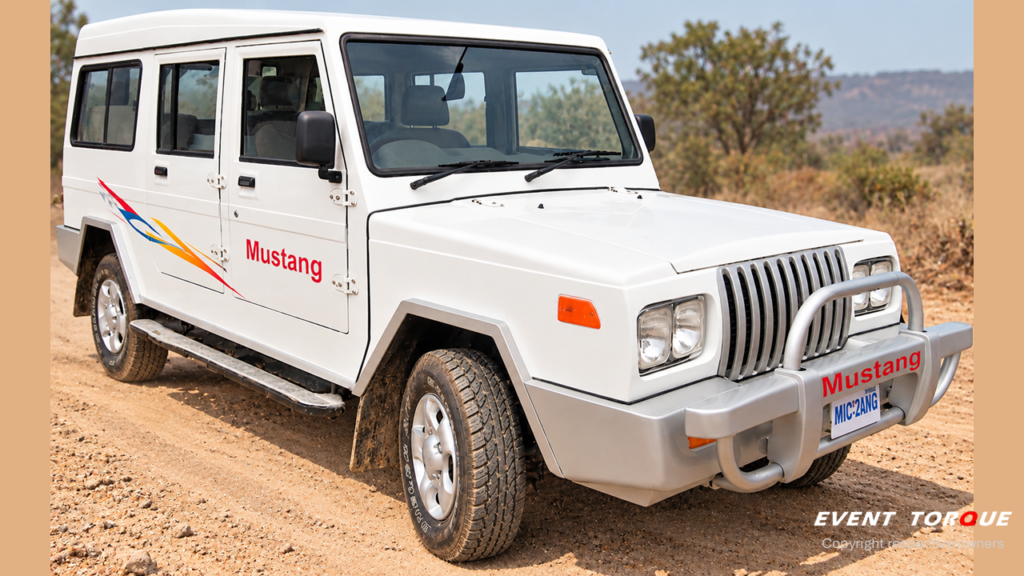
AI-generated image of Mustang Max for illustrative purposes only. Source: OnlineKhabar English.
What Happened Next?
The Hulas Bravo never made it to customers, and the company’s passenger-vehicle manufacturing ambitions came to an end. Hulas Motors subsequently shifted towards assembling electric rickshaws using imported components, while continuing to supply spare parts and operate service centres.
The story remains a sobering example of the challenges faced by manufacturers trying to build an automotive industry from the ground up. Stricter emission standards serve an important purpose, but meeting them can require substantial engineering investment, testing facilities and time — resources that smaller manufacturers may struggle to secure.
A Forgotten Chapter in Automotive History
The Hulas Mustang Max may look familiar to Indian enthusiasts, but its story belongs to Nepal. It was an attempt to build a practical, locally developed vehicle for a market with unique transportation needs.
Its resemblance to the Force Trax, Tata Sumo Victa and Mahindra Bolero makes it an interesting design comparison. Its history makes it much more than that: a reminder of an automotive dream that came close to taking the next step, only to end before its successor could reach production.
What do you think — does the Hulas Mustang Max look more like a Force Trax, Tata Sumo Victa or Mahindra Bolero?