K.A.B. Menon : The Man Who Dreamed of Building an Indian Car

He started out repairing cars in Kerala, went on to build a specially designed vehicle for a Maharaja and eventually tried to develop an Indian car of his own. The story of K.A.B. Menon and Aravind Automobiles is one of ambition, craftsmanship and a dream that never quite reached the finish line.
Not every automotive story ends with a successful launch or a car that goes on to become a household name. Some are remembered for the ambition behind them, the people who pursued them and the ideas they left behind.
Kunnath Ayyath Balakrishna Menon, better known as K.A.B. Menon, was one such individual. At a time when India’s car market was still limited, he wanted to do more than repair or modify existing vehicles. He wanted to build a car of his own.
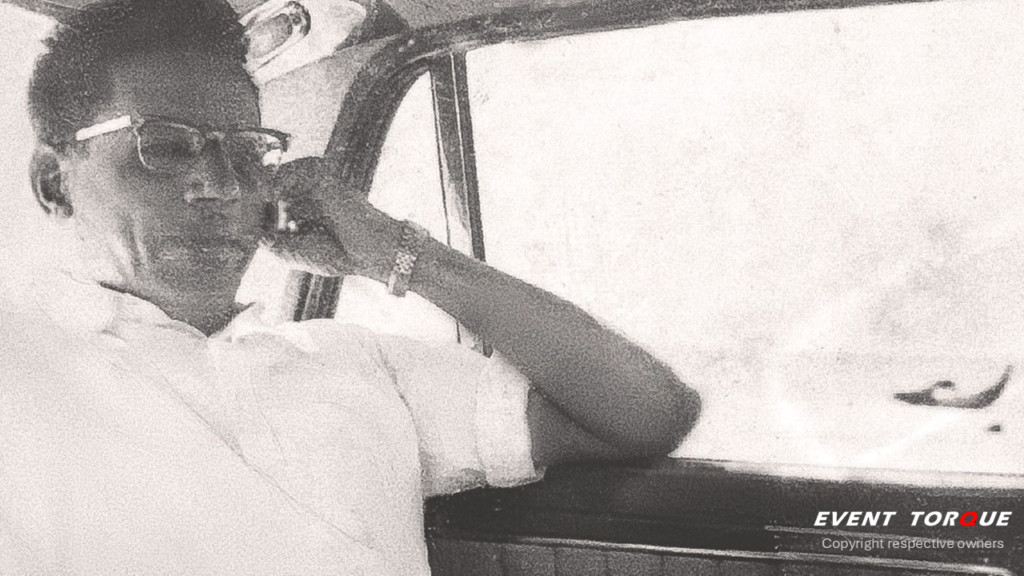
Working out of Kerala, Menon gradually turned that ambition into a series of automotive projects. His work ranged from transforming a damaged Studebaker to creating a bespoke vehicle for the Travancore royal household. His biggest undertaking, however, was the Aravind Model 3, an attempt to develop a passenger car under an Indian nameplate.
The car never entered mass production, but the story of how it came about remains an interesting chapter in India’s automotive history.
From a Workshop to His Own Automotive Venture
Born on December 15, 1917, in Vadakkancherry, Kerala, Menon began working around automobiles at the age of 15. He spent several years learning the trade in workshops before working as a bus mechanic in Coimbatore.
He moved to Trivandrum, now Thiruvananthapuram, in 1946 and continued working in the automobile trade. In 1952, he opened Prompt Motors, his own workshop.
The business grew over the years, with branches in different towns. Menon became known for repairing imported cars and taking on work that involved more than routine mechanical repairs. He was particularly interested in changing the appearance of vehicles, using his knowledge of bodywork and styling to give them a different character.
That interest would eventually take him beyond the workshop.
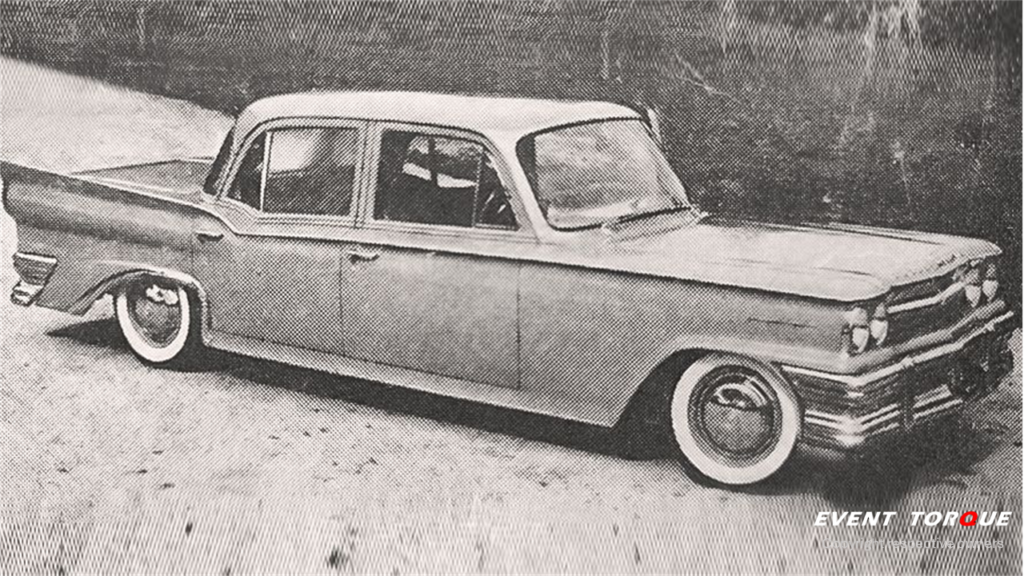
Model 1 | Iddy Champion
The Studebaker That Started Something Bigger
One of Menon’s early projects followed a serious accident involving his 1947 Studebaker Champion. The crash left him bedridden for three months, and the damage to the car was extensive.
Instead of giving up on it, Menon decided to rebuild the vehicle. Working with his chief mechanic, he transformed the damaged Studebaker into a car with a different appearance and character.
The result was the Iddy Champion, which Aravind Automobiles identifies as its Model 1. According to the company, the car was fitted with a 46hp diesel engine from the Mercedes-Benz W120 180D.
The car was eventually sold to Tamil film director A. P. Nagarajan in 1958 and taken to Madras, now Chennai. Its present whereabouts are unknown.
For Menon, the project was more than a repair job. It showed what could be achieved by rethinking an existing vehicle instead of simply restoring it to its original condition.
Model 2 | Palace Special
The Palace Special: A Car Built for a Maharaja
In 1956, Menon established Aravind Automobiles, naming the company after the Aurobindo Ashram in Pondicherry, which had personal significance for him.
One of the company’s most distinctive projects came through a commission from Chithira Thirunal Balarama Varma, the Maharaja of Travancore.
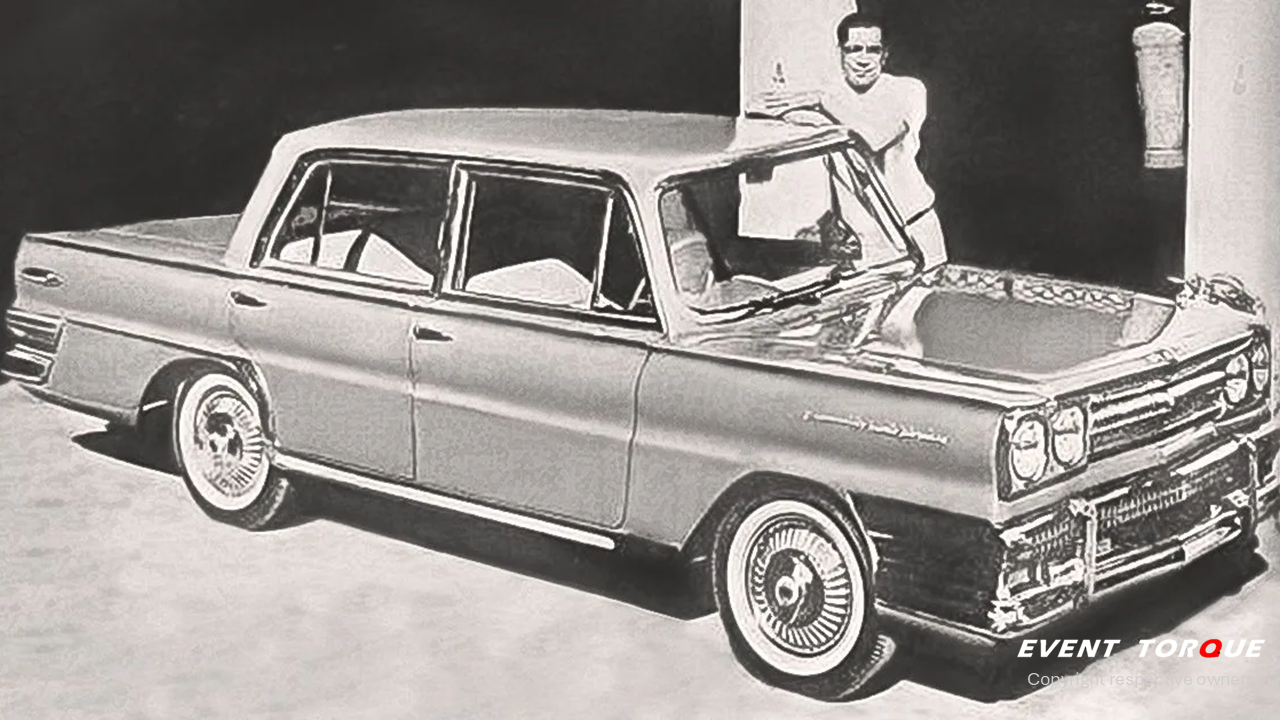
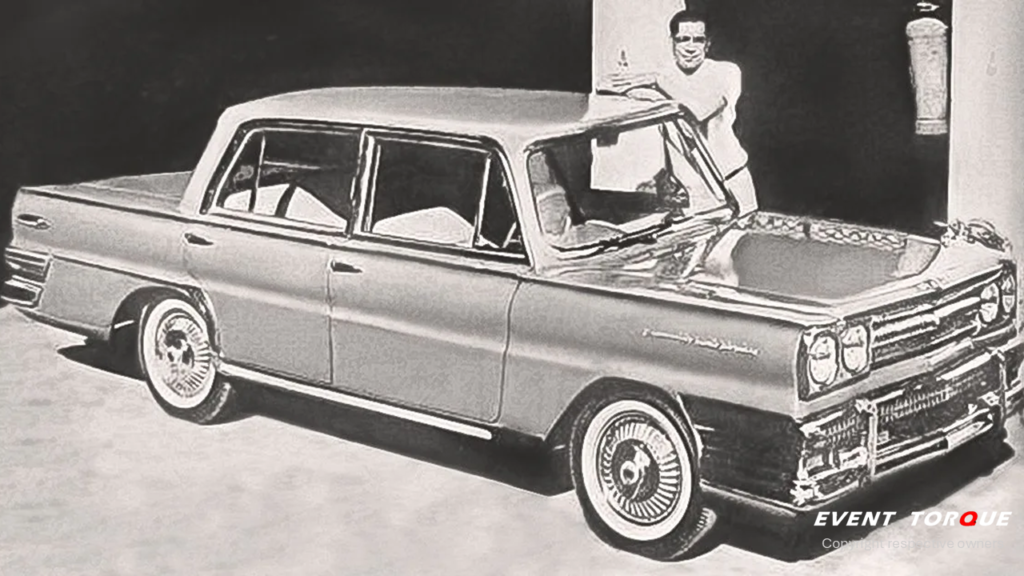
The Maharaja wanted a specially designed vehicle for the royal fleet. Menon proposed using a rarely driven 1939 Cadillac Fleetwood limousine as the starting point and extensively redesigning its body.
This was not a quick modification. According to Aravind Automobiles, a team of 11 workers spent around ten months shaping steel sheets by hand, using traditional tools such as hammers and chisels.
The finished car, called the Palace Special, was unveiled on March 5, 1965.
The project demonstrated Menon’s ability to take an existing automobile and turn it into something tailored to a particular customer. Aravind Automobiles describes it as possibly the first coach-built vehicle in India.
Like the Iddy Champion, the Palace Special is no longer traceable with certainty. But both cars help explain how Menon built his reputation and developed the confidence to pursue something more ambitious.
Model 3 | The First Indian Car
The Aravind Model 3: His Biggest Gamble
Menon’s ambitions went beyond customised cars. He wanted to develop a passenger car that could be produced under his own brand.
When the Indian government explored proposals for a small car, he saw an opportunity. He applied for a manufacturing licence on February 19, 1968, and pursued the development of a complete vehicle.
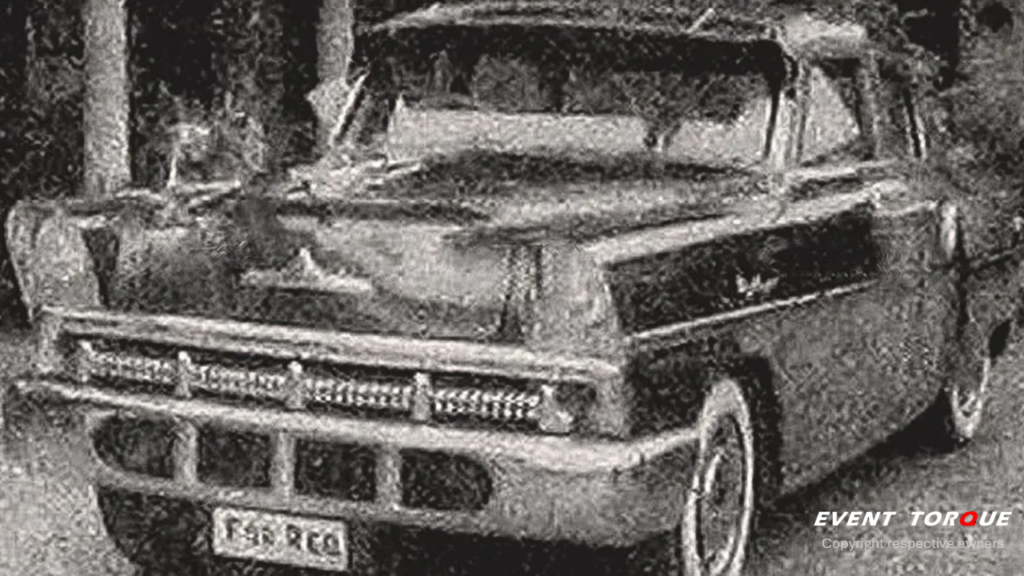
The result was the Aravind Model 3, a car that had already been developed in 1966.
According to the company, the Model 3 used a 1,089cc four-cylinder petrol engine based on the Fiat 1100/103E. After retuning, it produced 40hp. The proposed price was ₹5,000, which Aravind Automobiles says was considerably lower than the price of a Morris Oxford at the time.
The company also states that its vehicle was the only fully tested, production-validated car among 17 applicants to the government’s Small Car Project.
Despite the work that had gone into it, the proposal was rejected by the Ministry of Heavy Industry on September 30, 1970.
That decision meant the Model 3 never made it to production.
For Menon, it was a major setback. For automotive enthusiasts looking back today, it is also the part of the story that raises the most questions. What might have happened if the car had received approval? Could a small venture in Kerala have developed into a larger Indian carmaker?
There are no definitive answers. What is clear is that Menon had attempted something considerably more difficult than modifying an existing car: he had tried to establish a passenger car of his own.
Aravind Automobiles describes the Model 3 as the first Indian car, although it acknowledges that the title is unofficial. It is best understood as the company’s claim about the significance of its vehicle.
Karthiyayani Menon: The Woman Who Kept the Story Alive
K.A.B. Menon’s story did not end with the Model 3, nor did Aravind Automobiles’ legacy disappear with its founder.
His wife, Karthiyayani Menon, had a notable professional background of her own. According to Aravind Automobiles, she was the only woman outside the Indian Administrative Service to become a Joint Secretary in Kerala in 1947. She married Menon in 1951, a year before he established Prompt Motors.
After Menon died in 1971, Karthiyayani took charge of Aravind Automobiles. Running a business after the death of its founder would not have been easy, particularly one that had already faced the disappointment of its biggest project being rejected.
She eventually distributed the company’s remaining materials, tools and equipment among its workers, who continued operations for approximately three more years before the business closed.
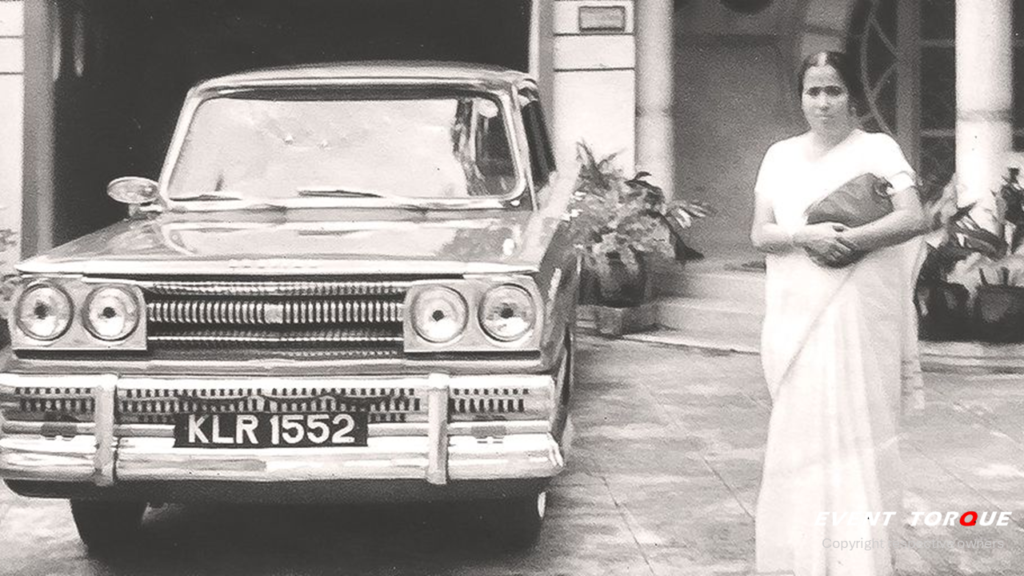
But she held on to the Model 3.
The car was deeply personal to her, representing years of her husband’s work and the ambition he had pursued throughout his life. According to the company’s account, she treasured it and ensured that it remained within the family.
In September 2001, during her final moments, she reportedly asked her grandson, Rathish R. Menon, to take care of the car, referring to it by its registration number, KLR 1552.
It is a small but telling detail in the larger story. Menon had built the car, but it was Karthiyayani who helped preserve its place in the family’s history.
Her role deserves recognition in its own right. She was not simply the person who inherited the business; she was the person who helped ensure that the Aravind story survived long after the original venture had closed.
A Family Legacy With Another Chapter Ahead
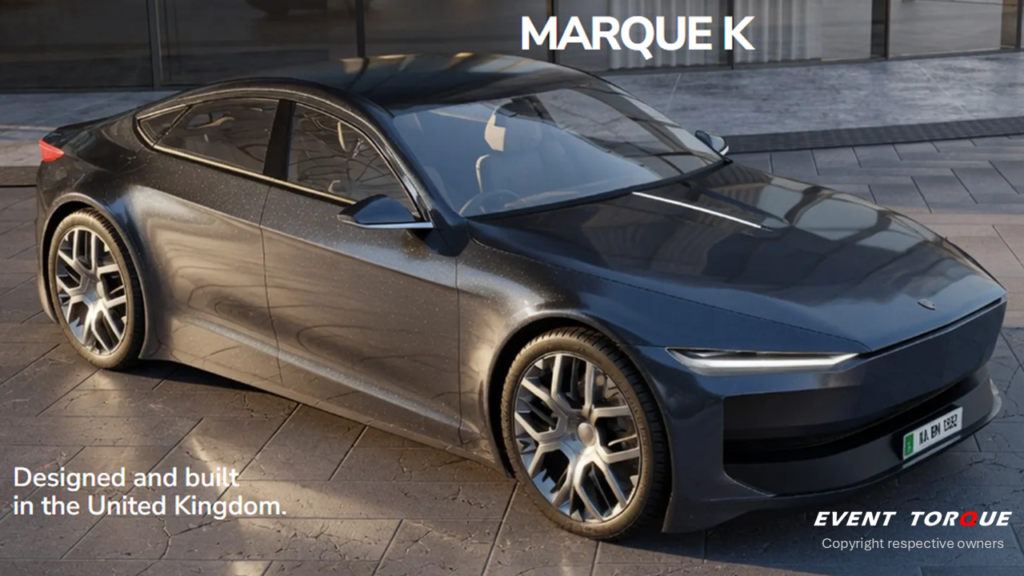
Years later, Rathish R. Menon began efforts to revive Aravind Automobiles. The family’s plans now include Marque K, a proposed performance-luxury electric sedan inspired by the brand’s heritage.
The challenge today is very different from the one K.A.B. Menon faced in the 1960s. Developing a modern electric car requires extensive engineering, investment and testing. Whether the revived venture will reach production and establish itself as a viable automotive brand remains to be seen.
Still, the connection between the two generations is an important part of the story.
Menon began by transforming a damaged Studebaker. He then built a bespoke vehicle for a Maharaja before attempting to develop a car of his own. His wife helped preserve that legacy, and his grandson is now trying to give the Aravind name another opportunity.
The Aravind Model 3 never became a familiar sight on Indian roads. But its story is a reminder that the country’s automotive ambitions were not shaped by large manufacturers alone. They were also driven by individuals who believed they could build something different, even when the odds were against them.
K.A.B. Menon was one of those individuals. His dream did not reach production, but it left behind a story worth remembering.
Source: Aravind Automobiles — The Founder.