Hyundai Bayon India-Spec Model Unveiled Ahead of October 26 Launch

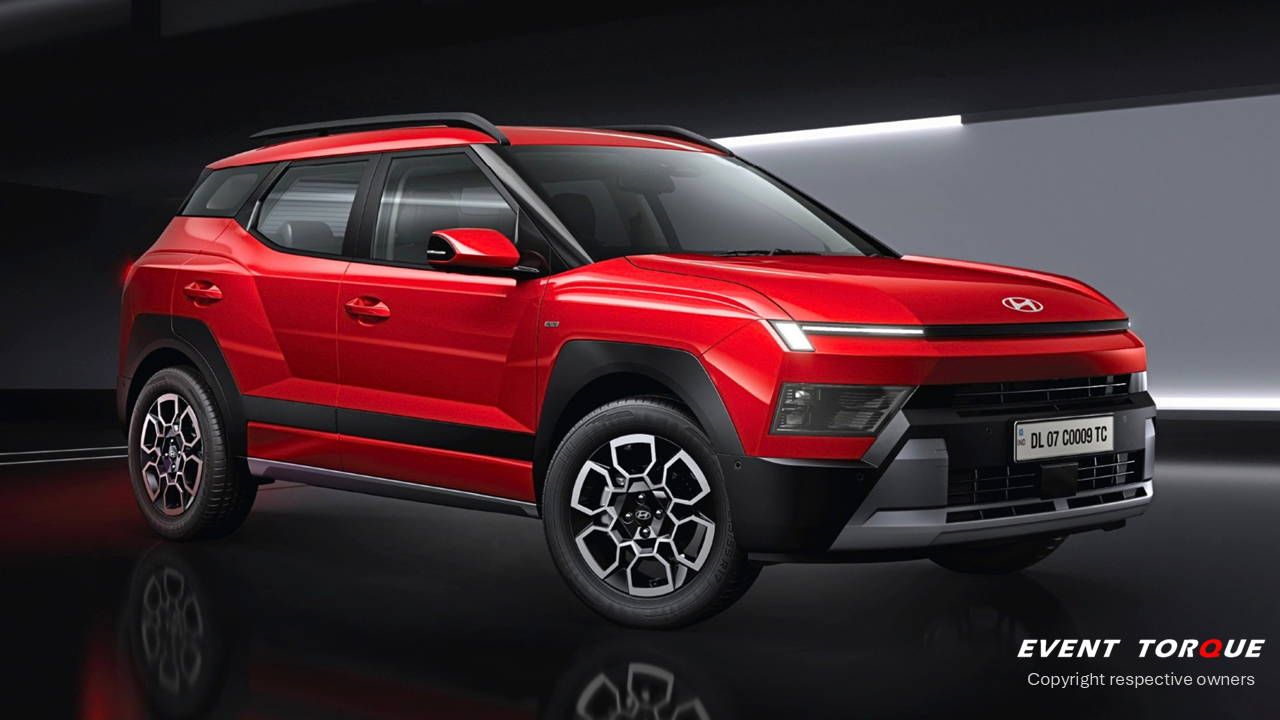
Hyundai Motor India has unveiled the India-spec Hyundai Bayon, introducing a technology-focused SUV that places artificial intelligence, connected features and software-driven functionality at the centre of the driving experience. The new model is scheduled to launch in India on 26 October 2026, with bookings open at an initial amount of ₹11,000.
Positioned as an Intelligent Utility Vehicle, the Bayon is built around Hyundai’s “Intelligence That Moves” philosophy. Its headline feature is a generative AI-powered voice assistant designed to make interactions between the driver and the vehicle more natural and intuitive.
Hyundai Bayon Introduces Generative AI Voice Assistance
The Bayon introduces Hyundai Motor India’s first-ever generative AI voice assistant, featuring intelligence by Perplexity and voice AI powered by SoundHound AI. Unlike conventional voice systems that primarily depend on predefined commands, the assistant is designed to understand conversational requests and provide relevant responses.
Drivers can use the system to seek travel information, plan road trips, check weather conditions, find hotels and restaurants, and discover shopping destinations. It can also provide sports-related information, helping turn the in-car assistant into a broader information companion.
Dual 12.3-inch Displays Create a Digital Cockpit
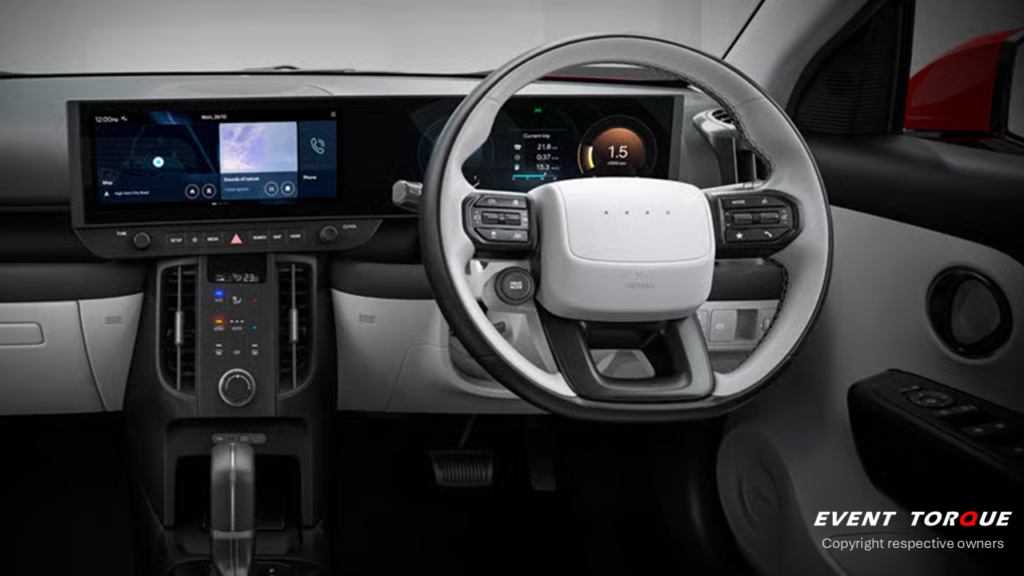
The SUV features a dual-screen arrangement comprising two 12.3-inch displays, combining the instrument cluster and infotainment functions into a curved panoramic interface.
The Connected Car Navigation Cockpit (ccNC), accelerated by NVIDIA, brings together online navigation, personalised controls, split-screen functionality and smartphone-like quick-access menus. The integrated interface is designed to make essential vehicle information and connected services easier to access.
Hyundai has also equipped the Bayon with over-the-air vehicle software update capability for up to 19 controllers. This allows supported software enhancements to be delivered remotely, potentially reducing the need for dealership visits for certain updates.
More Than 70 Connected Features
The Bayon gets Hyundai Bluelink with more than 70 connected features. These include remote vehicle controls, remote start and stop, vehicle information, location-related services, navigation assistance, and smartphone and smartwatch connectivity.
The SUV also features a multilingual interface supporting 10 regional and two international languages across the infotainment and instrument cluster screens.
For everyday convenience, Hyundai says the Bayon incorporates more than 500 embedded voice commands in English, Hindi, Hinglish, Tamil, Bengali and Telugu. These commands support selected in-car functions without requiring an internet connection.
1.5-litre Petrol Engine with Manual and IVT Options
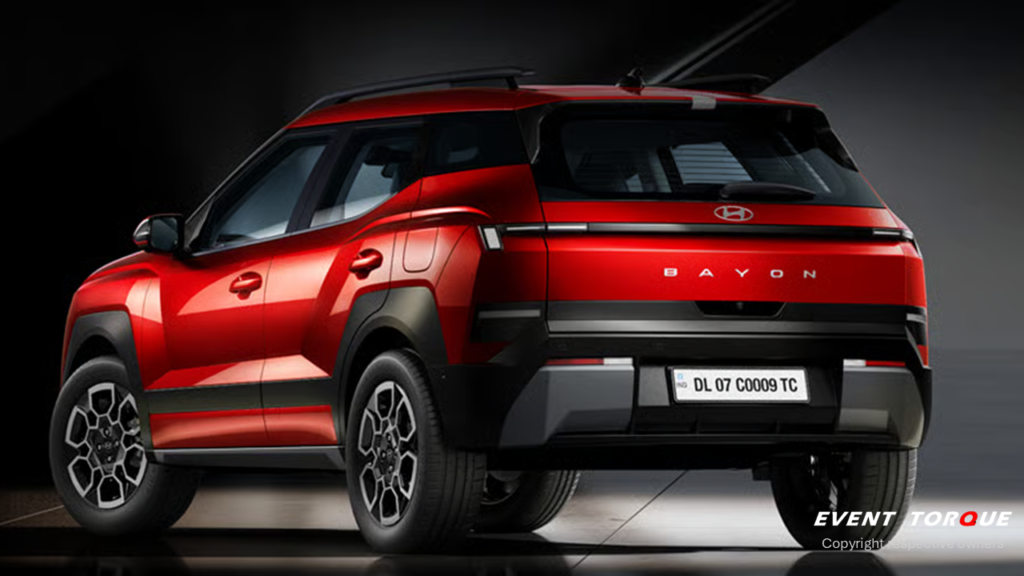
Powering the India-spec Hyundai Bayon is a four-cylinder, 1.5-litre MPi petrol engine producing 115 PS and 144 Nm of torque. Transmission options include a six-speed manual gearbox and Hyundai’s Intelligent Variable Transmission (IVT).
The powertrain combines a familiar petrol engine configuration with the SUV’s technology-focused positioning, offering buyers a choice between manual control and the convenience of an automatic-style transmission.
Hyundai Bayon: Launch Date and Bookings
Hyundai will launch the Bayon in India on 26 October 2026. Bookings are currently open through the company’s official website and authorised dealerships, with an initial booking amount of ₹11,000. Deliveries are scheduled to begin during the festive season, with detailed timelines to be communicated at launch.
Pricing and the complete variant-wise feature list are yet to be announced.
A Technology-Led Addition to Hyundai’s SUV Line-up
With the Bayon, Hyundai is bringing generative AI, extensive connected-car functionality and remote software updates into a single SUV package. Its appeal will depend on how effectively these technologies translate into everyday convenience, alongside the practicality and driving experience expected by Indian buyers.
The upcoming launch should provide a clearer picture of its pricing, variant strategy and positioning within India’s competitive SUV market.